How to Choose the Right Dune Buggy for Desert Riding in Dubai
Know the Terrain You Plan to Ride
Dubai's desert landscape varies from soft, rolling dunes to harder packed sand and occasional gravel patches. The type of terrain you intend to cover will influence the kind of off-road vehicle that suits you best. If you plan to spend most of your time on tall, loose dunes, you need a buggy with a wide wheelbase and tires designed to float on top of the sand rather than dig in. On the other hand, if your route includes flat stretches or mixed surfaces, a more versatile tire pattern and a slightly lower center of gravity can help maintain stability. Before you look at any machine, think about where you will actually drive. That single decision narrows your options considerably.
Many riders new to the sport assume that any buggy will handle any dune. In practice, a vehicle that performs well on hard-packed wadi beds can feel sluggish and prone to bogging down on soft sand. The reverse is also true: a buggy built purely for dune bashing may feel less responsive on flat, fast sections. Matching the vehicle to the terrain is the first step toward a safe and enjoyable outing.
Assess Engine Power and Weight
Engine power directly affects how a buggy climbs dunes and accelerates out of soft patches. In desert conditions, raw horsepower is helpful, but it is not the only factor. A heavy buggy with a powerful engine can still struggle if the power-to-weight ratio is poor. Lighter buggies with moderate engines often climb more efficiently because they put less downward pressure on the sand. Look for a machine that feels lively without being overwelming. A good rule of thumb is to choose the smallest engine that can comfortably handle the steepest dune you expect to encounter. That balance gives you control without wasting energy.
Pay attention to the cooling system as well. Desert heat places heavy demands on an engine, and a reliable cooling setup prevents overheating during long rides. Air-cooled engines are simpler but may struggle in stop-and-go conditions. Liquid-cooled systems handle sustained high loads better, though they add a little weight and complexity. Neither is inherently better; the choice depends on your riding style and typical session length.
Check the Safety Harness and Restraint System
A proper safety harness is not optional when driving a dune buggy in the desert. The terrain is unpredictable, and even a careful driver can hit an unexpected dip or sharp turn. Look for a harness that secures you at both the shoulders and the waist. A five-point harness distributes force across your body and keeps you firmly in the seat during sudden maneuvers. Inspect the straps for wear and ensure the buckles engage and release smoothly. A harness that is difficult to fasten or adjust can become a distraction, which defeats its purpose.

Seat belts alone are not enough in an open vehicle. A full harness keeps your torso stable, which also helps you steer more precisely. When you are thrown forward or sideways, your inputs on the wheel become erratic. A good harness keeps you connected to the machine so your movements translate directly into steering and throttle control.
Evaluate Tire Design for Sand Performance
Sand tires are one of the most important components of a desert buggy. Standard off-road tires with deep, aggressive treads can dig into soft sand and cause the vehicle to bog down. True sand tires have a paddle-like tread pattern that pushes sand backward and forward, providing traction without sinking. The width of the tire also matters: wider tires spread the vehicle's weight over a larger surface area, reducing the chance of getting stuck.
Some buggies come with tires that are better suited to rocky or mixed terrain. If you plan to ride primarily on dunes, ask whether the buggy is fitted with sand-specific tires. If the answer is no, consider whether you can swap them out or choose a different vehicle. The wrong tires can turn a promising day into a frustrating struggle with the sand.
The phrase "dubai dune buggy" often brings to mind a machine that looks rugged but may lack the finer adjustments that make desert riding safe. When you inspect a buggy, look at the tire pressure recommendations. Too high a pressure reduces the tire's footprint and increases the risk of sinking. Too low a pressure can cause the tire to deform at speed, leading to instability. A good buggy will have a recommended pressure range printed on the tire sidewall or in the manual. Stick to that range and check the pressure before each ride.
Consider Rental Duration and Tour Options
If you are renting a buggy rather than buying one, the rental duration affects which vehicle makes sense for you. A short rental of a few hours might allow you to try a more powerful machine since you will not be driving it long enough to fatigue. A full-day or multi-day rental requires a buggy that is comfortable over long periods. Look for features like adjustable seats, padded armrests, and a suspension that absorbs smaller bumps without jarring your back.
Guided tours are another option to consider. On a guided tour, the vehicle is often provided as part of the package, and the guide sets the pace. This can be a good way to experience the desert without worrying about navigation or vehicle choice. However, if you prefer to drive at your own speed, a self-guided rental gives you more freedom. Make sure the buggy you select matches the style of tour or rental you choose.
Inspect Suspension and Steering
The suspension system determines how the buggy handles undulating dunes and sudden drops. A stiff suspension may feel stable on flat ground but will transmit every bump to your spine on uneven sand. A suspension that is too soft can cause the vehicle to bottom out on large dunes, potentially damaging the chassis. Look for a buggy with adjustable suspension so you can tune it to the conditions. If the buggy does not offer adjustment, at least verify that the current setting matches the terrain you plan to ride.
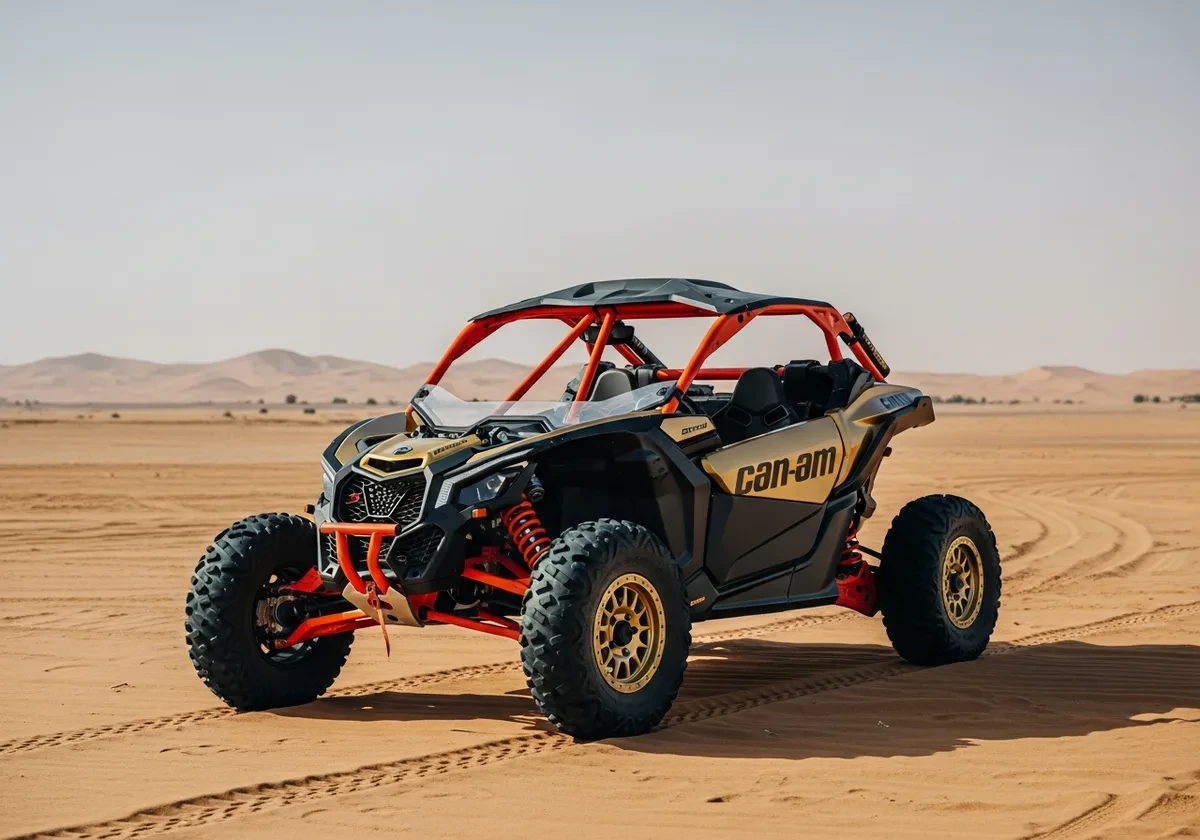
Steering is equally important. A responsive steering system allows you to make quick corrections when the sand shifts under your wheels. Test the steering before you commit to a rental or purchase. Turn the wheel from lock to lock and feel for any roughness or excessive play. A loose steering wheel can make the buggy feel unpredictable, especially at higher speeds.
Factor in Comfort and Fit
Comfort is often overlooked in the excitement of choosing a buggy, but it directly affects your ability to drive well. Sit in the buggy and check that your legs have room to operate the pedals without cramping. Your arms should reach the steering wheel comfortably without having to stretch. If the seat is too low or too far back, you may find yourself sliding around during turns. Adjustable seats and steering columns are a big advantage here.
Also consider how easy it is to enter and exit the buggy. A high step-over bar or a narrow opening can make getting in and out awkward, especially if you are wearing boots or other gear. A buggy that is a hassle to board can turn a short stop into a chore. Pay attention to these small details because they add up over the course of a day.
The second mention of "dubai dune buggy" fits naturally here: when you finally settle on a model that fits your body and riding style, you will have a clear sense of what makes a great dubai dune buggy for your needs. That feeling of alignment between driver and machine is what transforms a simple ride into a memorable experience.
Think About Maintenance and Support
Even the best buggy can develop issues in the harsh desert environment. Sand can clog air filters, heat can stress belts and hoses, and vibrations can loosen bolts. Before you head out, check that the buggy has been serviced recently and that spare parts or a support vehicle are available if you are on a long ride. If you are renting, ask the provider what happens if you have a breakdown. A quick response time can save you hours of waiting in the sun.
Carry basic tools and a spare tire if possible. A simple puncture can stop your ride, but with a patch kit and a pump you can often get back on the dunes in minutes. Familiarize yourself with the buggy's layout so you know where the jack points are and how to operate the winch if it has one. Preparation is the best way to keep small problems from ruining your day.

Match the Buggy to Your Experience Level
Your own skill level plays a large role in choosing the right buggy. Beginners should look for a vehicle with predictable handling, moderate power, and a forgiving suspension. A buggy that is too responsive can feel twitchy and may cause overcorrection on soft sand. Experienced riders can handle a more powerful machine with stiffer suspension and less electronic intervention. Be honest with yourself about your abilities. There is no shame in starting with a simpler buggy; you can always upgrade as you gain confidence.
Many rental companies offer different tiers of buggies based on experience. Do not hesitate to ask for a recommendation based on your background. A good provider will steer you toward a vehicle that matches your skill level rather than simply pushing the most expensive option.
Choosing the right buggy for desert riding in Dubai comes down to understanding the terrain, knowing your own preferences, and paying attention to the details that affect safety and comfort. Take your time, ask questions, and test a few options before you commit. The desert is a spectacular place to drive, but the experience depends heavily on the machine beneath you. Pick wisely, and you will look forward to every return trip.